
EDUCATION & EXCHANGE
Education & exchange
Different disciplines.
A shared interest in space resources.
Space resource research draws on planetary science, engineering, resources, economics and policy, as well as education and culture. Graduate study, international meetings and professional collaboration connect existing expertise with new research questions.
SCIENCE × TECHNOLOGY × SOCIETY
Learning across the disciplines of space resources
Learning about space resources begins with planetary science and extends to measurement techniques, potential uses, economics and institutions. The 2026 teaching materials in space resources and planetary geology reflect this interdisciplinary approach.
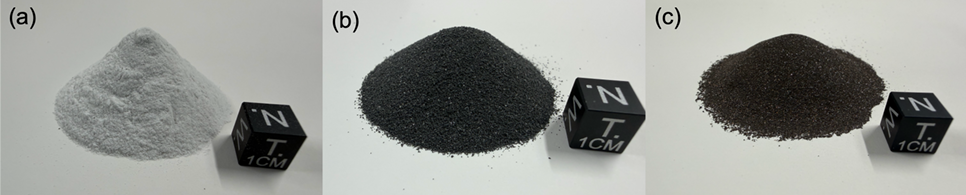
Interpreting exploration images, measuring simulants and explaining phenomena with models are complementary ways to learn. Teaching and research in participating laboratories develop the ability to move between observations and hypotheses when tackling open questions.
INTERNATIONAL EDUCATION
From Japan–Australia teaching exchanges to international research
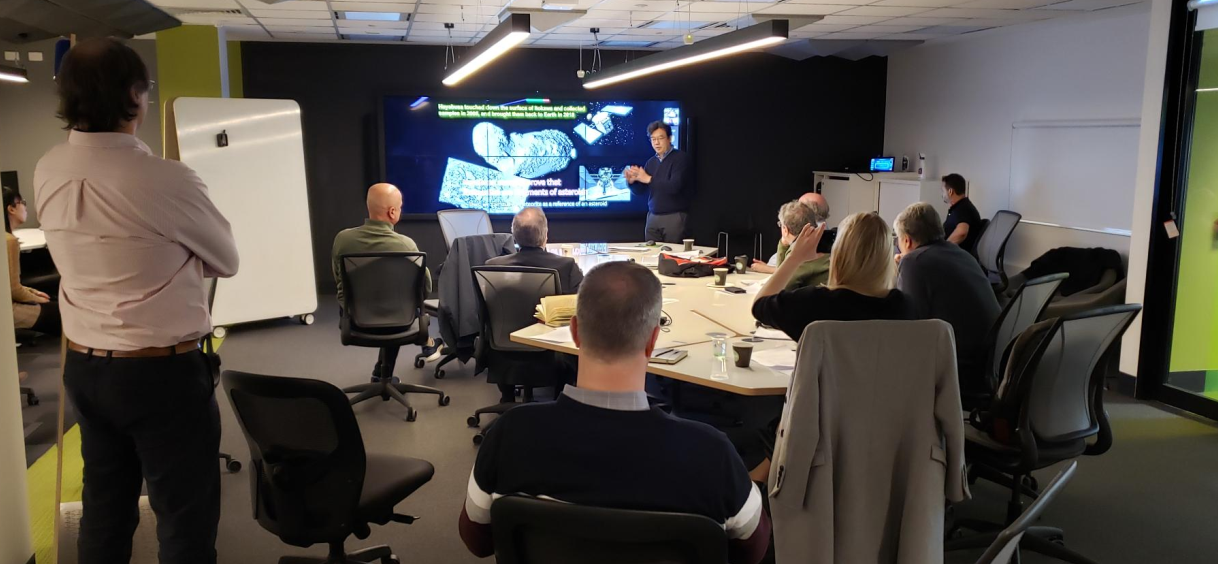
Space Resources Fundamentals teaching activities took place in Adelaide during 2022–2025, alongside visits by Adelaide researchers to Tokyo. Lectures and discussions have provided opportunities to share the foundations of space resources and the questions being pursued by each group.
These existing research and education exchanges provide a foundation for wider cooperation through CACE. Course participation and research opportunities follow the arrangements of the relevant institution or host laboratory.
FIND YOUR CONNECTION
Find your route into the field
01
Graduate study and professional experience
Develop your research through participating graduate schools and laboratories. Professional experience can also inform a research topic. Discuss supervision with the relevant laboratory and follow the admissions procedures of the graduate school or department.
02
Research visits and joint supervision
CACE centres collaborate through research stays and student supervision. Hosting arrangements, timing, research topics and available programmes are discussed individually.
03
International research discussions
Space Resources Initiative brings together researchers, industry and the policy community. An early-career session is planned for SRI-III.
GETTING STARTED
Before you get in touch
-
01
Outline your interests
Briefly describe the field that interests you and your research or educational background.
-
02
Identify the type of opportunity
Let us know whether you are considering graduate study, a research visit, collaboration or participation in a meeting.
-
03
Check the host and programme
Admissions, calls, travel support and conditions for visits are set out by the relevant graduate school, programme or meeting.
QUESTIONS
Common questions
Can I enrol directly in CSRI?
Graduate admissions take place through the relevant graduate schools and departments. Identify a prospective supervisor and department that match your research interests.
Can I come from a field outside space research?
Space resource studies involves many disciplines, from science and engineering to economics and institutional studies. Please outline your expertise and the topic you would like to explore.
Does CACE provide a shared scholarship programme?
Exchange and research support arrangements depend on the participating institution and programme. Please consult individual announcements for available opportunities and support.
Can professionals from industry or outside the space sector participate?
Expertise in manufacturing, materials, computing, law, economics, education and culture can contribute. Contact us with your background and research interests to discuss collaboration, meetings or longer-term university–industry research arrangements.